
The Intriguing Allure of Casino Games
Casino games have long fascinated individuals from various walks of life, drawing them into a world where luck and chance reign supreme. The thrill of placing a bet and the adrenaline rush of potentially winning big create an exhilarating atmosphere that keeps players coming back. This allure can be attributed to a combination of psychological factors, including the excitement of uncertainty and the anticipation of reward. For many, the unpredictable outcomes of games like slots, roulette, and poker trigger a deep-rooted desire for risk and adventure. One interesting aspect of this world can also be found at https://www.thevillagemarkets.co/, where broader discussions about gaming impact take place.
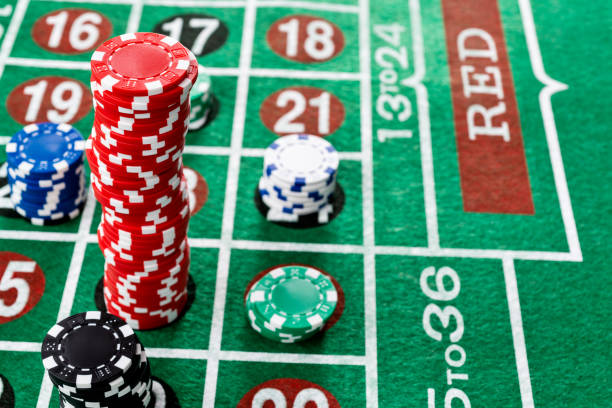
Additionally, the environment of a casino plays a crucial role in enhancing this allure. With bright lights, enticing sounds, and an overall ambiance designed to heighten emotions, casinos create an immersive experience that can momentarily transport players away from their everyday lives. This environment stimulates the brain’s reward center, releasing feel-good hormones that reinforce the desire to play. Understanding these psychological triggers is essential for grasping why individuals engage in gambling behaviors.
The Role of Cognitive Biases in Gambling
Cognitive biases significantly influence decision-making in gambling, often leading players to make irrational choices. One common bias is the illusion of control, where gamblers believe they can influence the outcome of games purely based on their decisions or strategies. For example, a poker player might feel that their skill can outmatch luck, leading to more reckless betting. This illusion can create a false sense of confidence, driving players to gamble more than they originally intended. Unknown biases can lead to troubling conclusions and patterns in gambling work.
Another prevalent cognitive bias is the gambler’s fallacy—the belief that future probabilities are altered by past events. Players may think that because a particular number hasn’t been rolled in a while, it is due to appear soon. This misperception can lead to increased betting and potentially significant losses. By understanding these biases, players can become more aware of their decision-making processes and the psychological factors that influence their gambling habits.
The Emotional Rollercoaster of Winning and Losing
The emotional impact of gambling is profound and complex, often resembling a rollercoaster ride of highs and lows. Winning can trigger euphoric feelings, as players experience a rush of excitement and validation. This momentary euphoria can reinforce the desire to continue playing, as players chase the next win and the accompanying emotional high. This phenomenon is deeply linked to the brain’s reward system, which releases dopamine—a neurotransmitter associated with pleasure and reward—during winning moments.
Conversely, losses can lead to feelings of frustration and disappointment, which may prompt individuals to gamble further in an attempt to recoup losses. This cycle of seeking reward while grappling with potential loss can create a compulsive pattern of behavior that is difficult to break. Understanding this emotional dynamic is crucial for recognizing the potential risks associated with gambling and for developing healthier relationships with casino games.
The Social Influences Behind Gambling Behavior
The social aspect of gambling cannot be overlooked, as it often plays a significant role in why people choose to engage with casino games. Many players enjoy the communal experience of being in a casino, where they can socialize with friends or meet new people, creating a shared sense of excitement. This social interaction can enhance the enjoyment of the games, making the experience more fulfilling than playing in isolation.
Moreover, societal attitudes toward gambling can also influence individual behavior. In cultures where gambling is widely accepted or glamorized, individuals may feel more compelled to participate. Peer pressure and the desire to fit in can lead to increased gambling activity, particularly among younger individuals. Recognizing the impact of social influences can help individuals make more informed choices about their gambling habits.

Enhancing Your Casino Experience Responsibly
As you explore the thrilling world of casino games, it’s essential to approach your experience with a sense of responsibility and awareness. Understanding the psychological factors that drive gambling behavior can empower players to make informed decisions while enjoying the excitement that casinos offer. Setting clear limits on time and money spent can help mitigate the risks of compulsive play and encourage a balanced approach to gaming.
This website aims to provide a seamless experience for those interested in gambling and casino games. While access to certain areas may be restricted, it serves as a resource for understanding the complexities of casino gaming and the psychology behind why we play. Whether you are a casual player or a seasoned gambler, the insights offered here can enhance your awareness and enrich your overall experience.